

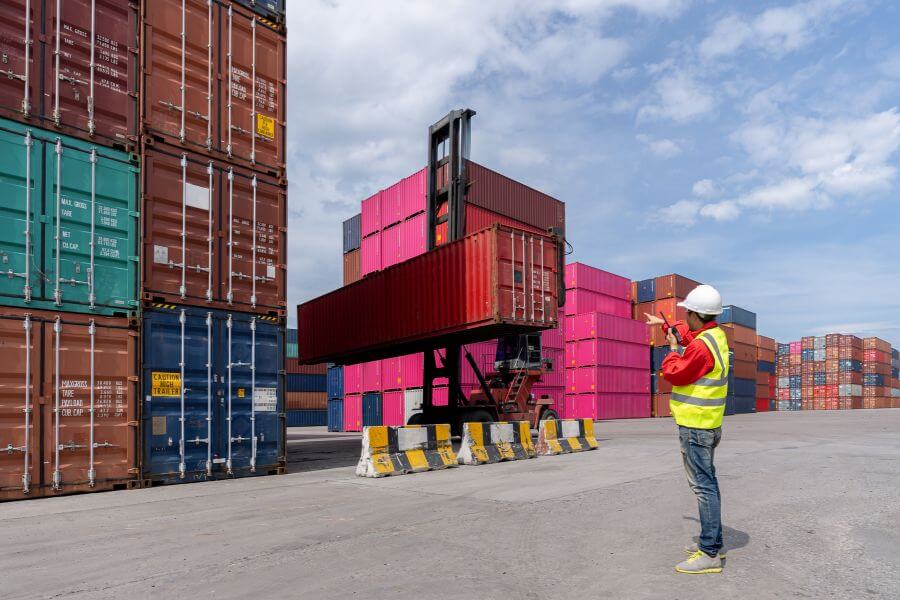
Importing from India to the United States offers strong cost advantages. This step-by-step guide explains how to import products from India with clarity, structure, and confidence.
Importing from India to the United States is becoming a preferred strategy for businesses looking to reduce costs and diversify supply chains.
India offers strong manufacturing capabilities, but understanding how to import from India correctly is essential for smooth execution.
This guide outlines the step-by-step process for importing products from India to the USA.
Step 1: Define Product Requirements
The first step in importing from India is clearly defining your product requirements.
Additionally, Indian suppliers are increasingly adapting to global standards, making collaboration smoother for international buyers.
Why U.S. Businesses Choose India
This includes:
- Product specifications and materials
- Quantity and order volume
- Quality standards
- Packaging and labeling requirements
Clear requirements help ensure alignment with Indian manufacturers from the beginning.
Step 2: Define Product Requirements
Choosing the right supplier is critical when importing products from India.
When evaluating Indian manufacturers, consider:
- Experience in your product category
- Production capacity
- Communication responsiveness
- Ability to meet quality expectations
Reliable manufacturers are essential for successful importing from India.
Align on Product Details
Before placing an order, ensure full alignment with the manufacturer.
This includes:
- Final specifications
- Pricing and payment terms
- Production timelines
- Quality expectations
Clear alignment reduces risk during production.
Step 4: Understand Import Requirements in the USA
When importing from India to the USA, businesses must follow import regulations and compliance requirements.
Key considerations include:
- Import duties and tariffs
- Product compliance and standards
- Required documentation
- Customs clearance procedures
Understanding U.S. import requirements helps avoid delays and issues.
Step 5: Manage Production and Coordination
During production, ongoing coordination is essential.
This includes:
- Regular communication with manufacturers
- Monitoring progress and timelines
- Addressing issues early
Proper coordination ensures consistency and timely delivery.
Step 6: Shipping and Logistics
Once production is complete, the next step is shipping.
This involves:
- Choosing air or sea freight
- Managing logistics and freight forwarding
- Preparing export documentation
Efficient logistics planning ensures smooth transportation from India to the USA.
Step 7: Customs Clearance and Final Delivery
When goods arrive in the United States, they must go through customs clearance.
This includes:
- Submitting documentation
- Paying duties and fees
- Coordinating final delivery
- After clearance, products are delivered to your location.
Common Mistakes to Avoid When Importing from India
Businesses should avoid:
- Unclear product requirements
- Poor communication with suppliers
- Lack of understanding of import regulations
- Selecting suppliers based only on price
- Limited coordination during production
Avoiding these mistakes improves success when importing from India.
Final Thoughts
Importing from India to the United States offers strong opportunities for businesses.
With a structured process, reliable manufacturers, and clear coordination, businesses can import products from India with confidence and consistency.