
Forged Components
Hot-stamped and cold-forged components machined to final dimension. Forging aligns the grain structure to the shape of the part, which gives higher strength and better pressure integrity than cutting the same geometry out of bar stock.
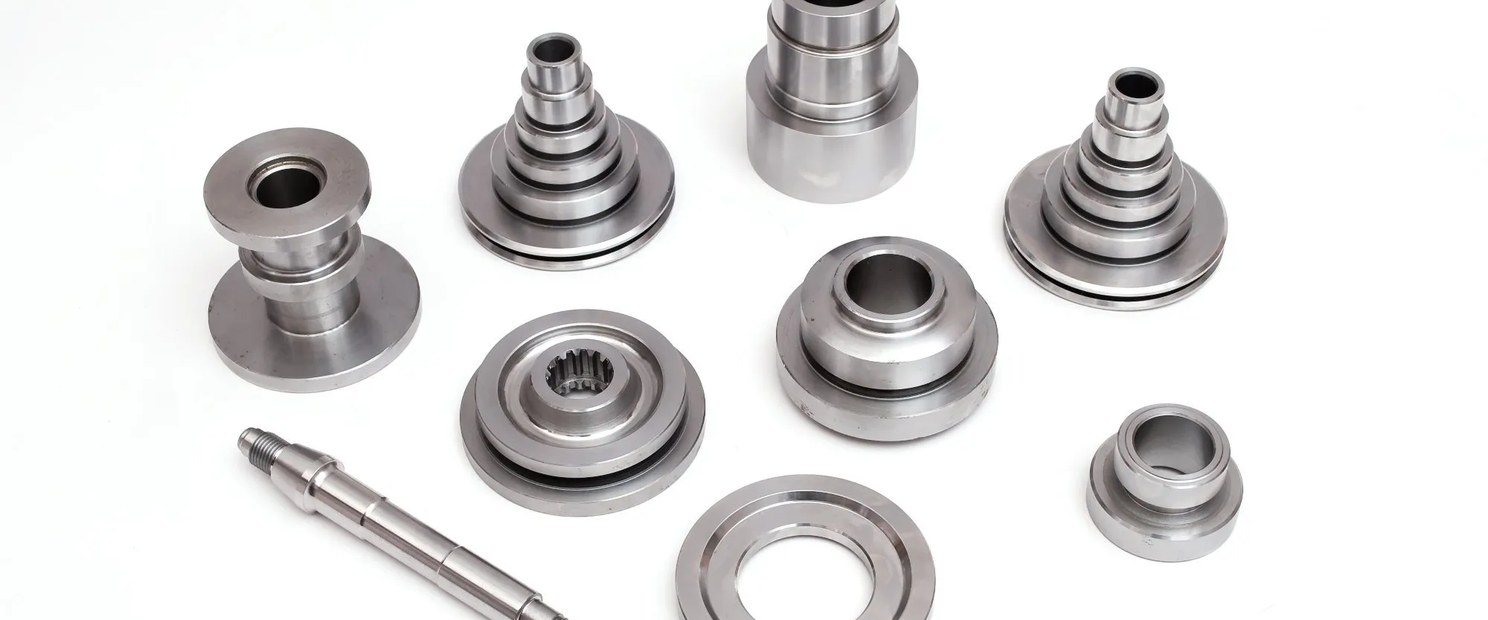
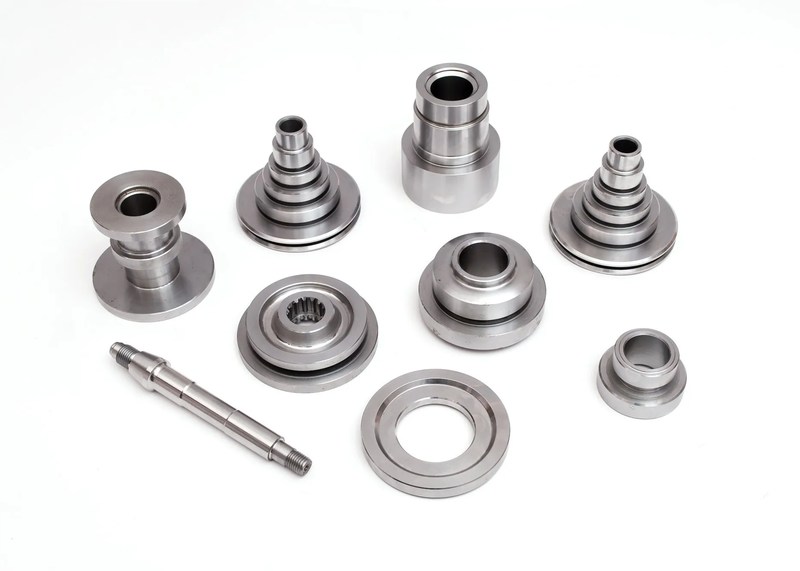
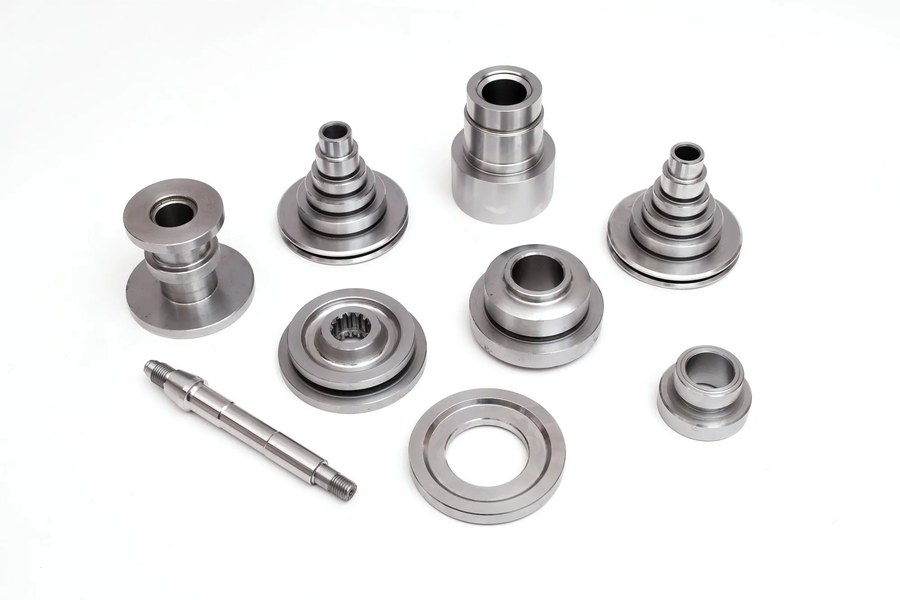
The actual parts
Forged work at Jay Ashapura.
Hot-stamped and cold-forged parts, then machined to final dimension where the grain structure matters more than the bar stock.
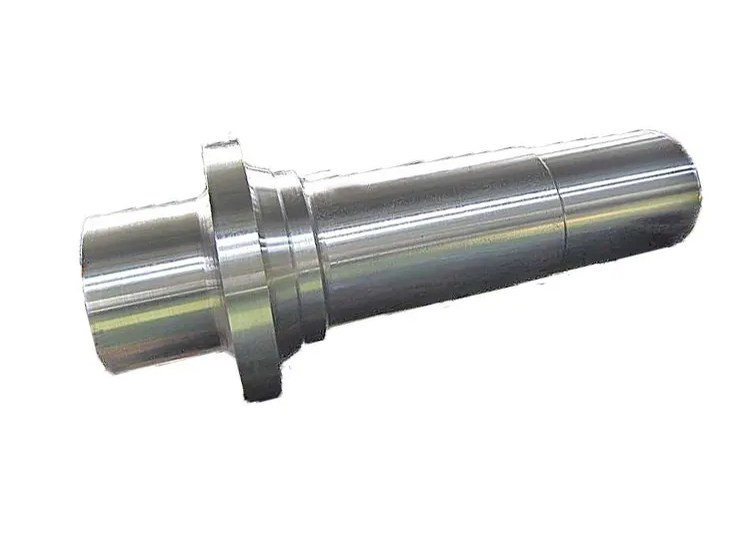
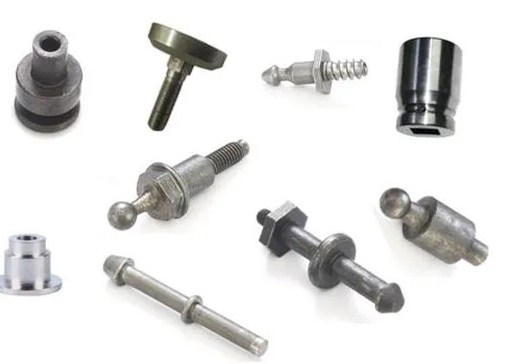
Threads & finishes
- Threads to customer requirement
- Natural brass
- Electro tin
- Nickel
- Chrome
- Silver
- Gold
- Zinc blue
Where forging wins
- Pressure-carrying parts
- High-load fasteners
- Valve & pump bodies
- Structural brackets
- Material-efficient shapes
- Better grain flow
Tooling is quoted separately from the piece price so the payback is visible. Send your drawing →
Types we supply
Forged first, then finished.
Forging gets the metal close to shape and gets the grain right. Machining then takes it to the tolerance on your drawing.
Hot Forged
- Hot-Stamped Bodies
- Valve Bodies
- Fitting Bodies
- Manifold Blanks
- Flange Blanks
Cold Forged
- Cold-Headed Fasteners
- Rivets & Studs
- Terminal Blanks
- Contact Blanks
- Sleeve Blanks
Forged & Machined
- Machined Forgings
- Threaded Forged Parts
- Pressure Fittings
- Structural Components
- Custom Forgings
Where they’re used
Applications & industries served.
Applications
- Pressure-carrying fittings
- Valve and pump bodies
- High-load fasteners
- Structural brackets
- Gas and fluid systems
- Hydraulic assemblies
Industries served
- Plumbing & sanitary
- Oil & gas
- Automotive
- Industrial machinery
- Construction
- HVAC & refrigeration
See all the sectors we serve on our Industries page.
Grades for forging
Metals that flow, then hold.
Forging brass is a different alloy from free-cutting brass. It is chosen to move under the die without cracking. See full quality & traceability →
Hot-Stamping Brass
CW617N, the standard forging brass
Free-Cutting Brass
C36000, machined-from-bar alternative
Carbon & Alloy Steel
On request, high-load forgings
Stainless Steel
On request, corrosion service
How they’re made
Manufacturing process.
Die design & tooling
Forging dies designed around the part, with draft and flash allowance built in.
Hot stamping / cold forging
Billet heated and stamped, or cold-headed, so the grain follows the part contour.
Trimming & CNC machining
Flash trimmed, then critical faces, bores and threads machined to drawing.
Pressure & dimensional test
Pressure or leak testing where the part carries fluid, then final inspection.
Finishes, inspection & packaging
Delivered ready to use.
Surface finishes
- As-forged
- Shot blasted
- Machined
- Nickel / chrome plated
- Polished
Inspection
- Dimensional (FAI)
- Wall thickness
- Thread gauge
- Visual / crack check
Testing
- Pressure test
- Leak test
- Hardness
- Material verification
Packaging
- Bulk / palletised
- Poly-bagged
- Interleaved trays
- Custom-labeled
Documentation ships with the order. See our full quality standards →
Custom forgings
Built from your drawing.
Send the part drawing and the annual volume. If forging is the right route we will quote the tooling and the piece price separately, so you can see exactly what the die costs and where it pays back.
- Tooling quoted separately
- Hot stamping & cold forging
- Forged then fully machined
- Pressure-tested where required
Forged Components FAQ
Questions, answered.
What is forged here, and what is machined from bar?
Forging is used where the part carries pressure or high load, or where cutting the shape from bar would waste significant material. Everything else is machined from bar. We will tell you honestly which route is cheaper for your part.
Are forged parts finished after forging?
Almost always. Forging brings the part close to shape, then critical bores, faces, seats and threads are CNC machined to the tolerance on your drawing.
When is forging better than machining from bar?
Forging wins where the part carries pressure, takes high load, or has a shape that would waste a lot of material if cut from bar. The grain follows the contour instead of being cut through, which raises strength and reduces porosity. For low volumes, or where the only driver is a very tight tolerance, machining from bar is usually cheaper.
Do I have to pay for forging tooling?
Yes, forging requires a die, and that is quoted separately from the piece price so you can see the payback. For lower volumes we will tell you honestly if machining from bar is the better economic answer.
What is the lead time on a new forged part?
Tooling is the long pole, typically several weeks depending on complexity, followed by sampling and approval before series production. We will give you a dated schedule with the quote.
Are forged parts machined afterwards?
Almost always. Forging brings the part close to shape; critical bores, faces, seats and threads are then CNC machined to the tolerance on your drawing.
Can forged pressure parts be tested?
Yes. Parts that carry fluid or gas can be pressure and leak tested to your specification, with the results reported alongside the dimensional inspection.
Related: Valve Components · Flanges · Fittings & Connectors
Need forged components?
Send the drawing and your annual volume. We will tell you whether forging or bar stock is the better answer, and quote both if it is close.
Request a Quote